
 |
| One suitcase, one toothpick, zero surprises: simple way to spot a hotel snooper |
The trick is simple. No gadgets, no secret
lenses hidden in mints. Just your eyes, your memory, and a few subtle habits.
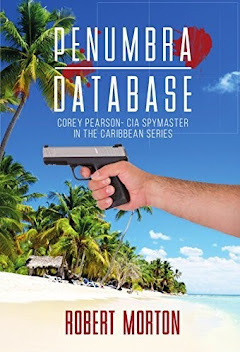
Fans of the Corey Pearson
CIA Spymaster Series already know how Corey and his elite teammates
treat hotel rooms. They assume someone might take a peek, and they set things
up so they will know the moment it happens.
Here is how to borrow that mindset without
an agency ID badge.
When you enter your room, resist the urge
to faceplant. Pause and scan. This is not paranoia. It is basic field
awareness. Corey Pearson would never walk in blind. Check the closet, glance
behind the curtains, and make sure no one is lurking behind the ironing board
with opinions about your car warranty. Lock the door, latch the swing bar,
wedge in a rubber doorstop if you have one. Simple, not dramatic.
Then set up a low-tech alarm system. Start
with your luggage. Place the zipper pulls in one exact spot, something
memorable to you, like “four inches from the wheel.” If someone opens the
suitcase, they will never match your precision. You, however, will catch it
instantly.
Add a little creative clutter. Put a bag
on top of the suitcase so a patch points at the alarm clock. Angle a box so its
corner lines up with a tile seam. It should look casual, not staged. Corey
Pearson and his CIA team work in subtleties, not obstacle courses.
Next, bait the curious. Drop a few “decoy”
bills on the table, messy and natural. Note one tiny detail, like the top bill
pointing toward the lamp. If you want to get fancy, balance a toothpick across
the pile. Lift the money and the toothpick shifts. Almost no one will replace
it perfectly. That tiny change is your signal.
Remember, you are not trying to trap
anyone. You just want to know if someone went through your things. That is why
you never leave real valuables behind. Take your passport, laptop, and actual
cash with you. Anything you leave out should be money you would not mind
losing.
Most travelers will never see anything
disturbed except their toiletries, which housekeeping arranges with the
precision of a competitive stacker. Still, these habits sharpen your awareness
and add a little covert swagger to your trip. Adjusting a suitcase zipper
becomes oddly satisfying when you imagine you are doing a quick security check.
The basics still matter. Use your own
hotspot instead of hotel Wi-Fi. If you have to use the hotel network, at least
protect yourself with a VPN. And never log into your personal apps on the smart
TV unless you enjoy leaving behind digital breadcrumbs. Keep electronics out of
sight and valuables secured. Former CIA officers like Jonna Mendez have
publicly said they avoided hotel Wi-Fi overseas because it was often monitored,
which tells you everything you need to know about how careful the pros are. And
always trust your instincts. If something feels off, switch rooms or even
switch hotels. You are not overreacting. You are paying attention.
You do not need a handler or a secret code
name to travel like a spy. You just need to be deliberate about how you treat
your space. A little awareness goes a long way, whether you are in a boutique
hotel in Paris or a roadside inn where the vending machine has displayed “Out
of Order” since the Bush administration.
Travel like Corey Pearson would. Notice
the details. Trust your gut. Set quiet little clues only you understand. And
enjoy the small, satisfying thrill of knowing that if someone tampers with your
things, you will spot it instantly. That confidence is the real tradecraft. The
rest is just zippers and toothpicks.
Robert Morton is a member of the Association of Former Intelligence Officers (AFIO) and writes about the U.S. Intelligence Community (IC). He also writes the Corey Pearson- CIA Spymaster Series, which blends his knowledge of real-life intelligence operations with gripping fictional storytelling. His thrillers reveal the shadowy world of covert missions and betrayal with striking realism.


No comments:
Post a Comment