
 |
| Inside the CIA's Hidden Archives: The Shadowy World Behind the Vault |
People
love to picture CIA secrets locked in some underground room with a giant vault
door and a blinking red light. Turns out, that is not too far off. The Agency
stays quiet about how it protects the heavy stuff, which only adds to the
mystery. What we do know is enough to make you picture a place where curiosity
goes to die and questions are treated like contraband.
The obvious starting point is CIA
Headquarters in Langley, Virginia. Everyone knows the famous seal in the lobby.
What most people never see are the areas behind it, sitting behind layers of ID
checks, guards, cameras, and long hallways meant to make outsiders lose their
sense of direction. Deep inside that maze sit the Agency’s main storage areas
for classified files. Not the casual stuff, but the kind of material that makes
even seasoned officers lower their voices.
If you have ever seen the movie RED,
you probably remember Ernest Borgnine as the older gentleman who runs the CIA
archives like a watchful gatekeeper. He knows every secret tucked into every
drawer and carries it all with a calm smile. The CIA would never confirm
anything like that, but the idea sticks because it captures the vibe of those
hidden rooms, the sense that someone deep inside knows more than they will ever
say.
The real CIA archives hold everything from
boxed paper files to locked safes to tightly controlled server rooms. Think
windowless spaces, cold lighting, and the feeling that every wall is listening.
Only a fraction of CIA personnel ever walk into these zones, and even they only
see small slices of what is stored there.
The vault is not limited to Langley. The
CIA relies on a web of secure sites called SCIFs, short for Sensitive
Compartmented Information Facilities. A SCIF is an information bunker. No
phones. No outside signals. Thick walls. Even the wiring has rules. If a SCIF
could talk, it would probably sound irritated from years of keeping secrets
inside and trouble outside.
Inside these spaces, classified
information lives two parallel lives. One is analog. Paper files sit inside
safes with combo locks, alarms, access logs, and stacked layers of clearance.
The second is digital. The servers that hold top secret material never touch
the public internet. They run on sealed networks with encryption, multi-step
authentication, and constant monitoring. Even inside the CIA, someone with Top
Secret clearance might still be barred from half the material in the same
building.
A lot of the protection is cultural.
People train to guard information as tightly as the hardware does. You do not
talk in the wrong place. You do not ask for details you do not need. The
mindset becomes part of the lock.
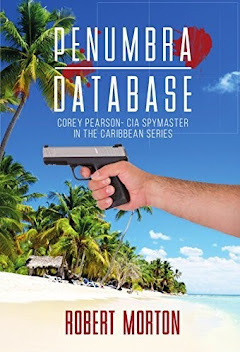
Now, if you have read the spy thriller Shadow War, you already
got a taste of how intense this world can feel. There is a moment when Corey
Pearson, the CIA spymaster at the center of the story, asks General Morrison
for permission to dig into the Agency’s archives. He wants to uncover what
really happened to Duane VanHouten, the older mentor who guided him early in
his career and was later murdered by Russian intelligence in Kuwait. Those
memories keep clawing at him.
Even in fiction, access is treated like
stepping into a place that can change a person. Morrison warns him that the
Archives hold truths powerful people want buried. The real CIA treats its
archives with that same weight, even if the details stay hidden.
And that is the point. No one outside the
inner circle knows the full picture of where the most sensitive files sit or
how deep the rabbit hole goes. Maybe a handful of people have walked through
the most restricted rooms. Maybe the most dangerous material is spread out so
no single breach could topple it all. The secrecy is intentional. It protects
the work, the people, and sometimes the country.
Wherever the CIA hides its most guarded
files, those places are built to keep the truth quiet, the curious at bay, and
the shadows right where the Agency wants them.
Robert Morton is a member of the Association of Former Intelligence Officers (AFIO) and writes about the U.S. Intelligence Community (IC). He also writes the Corey Pearson- CIA Spymaster Series, which blends his knowledge of real-life intelligence operations with gripping fictional storytelling. His thrillers reveal the shadowy world of covert missions and betrayal with striking realism.


No comments:
Post a Comment