
 |
| Inside the Rising Threat to CIA Operatives and teh Hidden Cost of Modern Espionage |
Two
new stars recently added to the CIA’s Memorial Wall is one of those quiet moments that
says more than any press conference ever could. No names, no details, just the
acknowledgment that two officers went out doing work the rest of the country
will never fully understand. That wall isn’t about glory. It’s about cost. And
the cost keeps rising.
What’s striking isn’t just that these
officers were killed in the line of duty, but how familiar the story feels. The
intelligence world hasn’t gotten safer or cleaner with better tech and
satellite coverage. In many ways, it’s gotten messier. The modern battlefield
doesn’t wear uniforms. It hides in encrypted chats, compromised allies, insider
leaks, and shadow networks that stretch across borders faster than any
diplomatic cable can keep up.
There’s also an uncomfortable truth buried
beneath the ceremony. These weren’t desk analysts lost to age or illness. These
were people in motion, exposed, likely young enough to still be climbing. That
suggests an enemy that knows how to find American intelligence officers when
they’re most vulnerable, when they’re still learning the rhythms of the job and
trusting the system to protect them.
It echoes a moment from one of those late
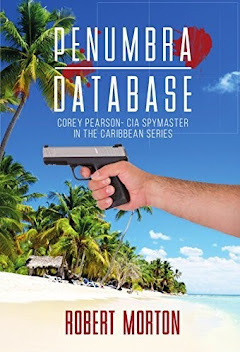
nights in Zurich in the Shadow
War spy thriller, when Corey Pearson realizes the assassin isn’t
targeting veterans but rising stars. The killers aren’t just removing people.
They’re shaping behavior. Fear becomes the weapon. The goal is to hollow out
the future leadership of the agency before it ever hardens. Fiction, sure, but
only just. Real adversaries think that way. They always have.
The Memorial Wall is a reminder that
intelligence work is still intensely human. For all the talk of AI, cyber
dominance, and remote operations, someone still has to meet a source in person,
cross a hostile street, trust the wrong checkpoint, or rely on an ally who may
already be compromised. When that fails, there’s no dramatic ending. Just a
star carved into stone.
For America’s national security, the
implications are blunt. The country depends on people willing to operate in
ambiguity, without recognition, and often without backup. If those people are
being systematically targeted, the threat isn’t just operational loss. It’s
deterrence through fear. Recruitment suffers. Initiative slows. Risk-taking
drops. And adversaries gain room to maneuver.
Those stars on the wall aren’t just
memorials. They’re warning lights. They tell us the intelligence war never
cooled down, it just learned how to hide better. And they remind us that
protecting the nation still means asking a few to walk straight into the dark,
knowing they might never be publicly remembered for it.
Robert Morton is a member of the Association of Former Intelligence Officers (AFIO) and writes about the U.S. Intelligence Community (IC). He also writes the Corey Pearson- CIA Spymaster Series, which blends his knowledge of real-life intelligence operations with gripping fictional storytelling. His thrillers reveal the shadowy world of covert missions and betrayal with striking realism.


No comments:
Post a Comment