
 |
| Venezuela Crisis Exposes the High Stakes of U.S. Intervention and Global Power |
I read the NBC News
article about Maduro arriving in New York and Trump saying the U.S. will govern
Venezuela until there’s a “proper transition,” and it stuck with me. It made me
think about how power shows itself when the usual rules start to bend. Hearing
the United States openly say it’s going to run another country, even
temporarily, isn’t just bold. It’s unsettling. It says a lot about how America
sees its place in the world and how it weighs security against values and
long-term consequences.
This doesn’t feel like a clean legal move
or a straightforward humanitarian effort. It feels like power being exercised
because it can be, and that kind of leverage always comes with baggage.
Taking over another country’s government,
even if you call it temporary, runs straight into the wall of sovereignty and
international law. There’s no getting around that. And yet that’s exactly what
happened after Nicolás Maduro was seized in a military operation and flown out
of Venezuela. Once you start talking about running another country until a
transition happens, the questions pile up fast. Who decides what a “proper”
transition even looks like? Who actually benefits when that transition is over?
And where do regular Venezuelans fit into all of this?
Those aren’t ivory-tower questions.
They’re the kinds of things U.S. intelligence professionals worry about
constantly because they cut right to credibility, blowback, and long-term
consequences.
There’s always been a tension in
Washington between bold political talk and the quieter, more cautious judgments
coming out of the intelligence agencies. Politicians like clean lines and big
statements. Intelligence analysts don’t work that way. Folks at the CIA and DNI
aren’t looking at the world in slogans or good-guy versus bad-guy terms.
They’re tracking loyalties, alliances, risks, and what could go wrong when
nobody’s watching.
They also know something history keeps
proving. Taking out a dictator doesn’t automatically make things better.
Sometimes it makes them much worse. When a strongman falls, the chaos that
follows can be more dangerous than the regime that came before it. Countries
splinter. Proxy wars emerge. Violence drags on without a clear end. That’s the
reality intelligence professionals are paid to worry about, even when it
doesn’t fit neatly into a political message.
So when the president talks about acting
“for the good of the Venezuelan people,” intelligence professionals are already
looking a few moves ahead. They’re not denying how badly the Maduro regime
failed or brushing off the real suffering Venezuelans have endured for years.
They understand that. But they also know that stepping in and running another
country from the outside, even with good intentions, can backfire fast. It can
deepen instability, hand propaganda wins to America’s rivals and weaken U.S.
credibility with democratic allies who take sovereignty seriously.
They’re also very aware of how this looks
to the rest of the world. Images and headlines of the United States governing
another country, even temporarily, are exactly the kind of material Russia and
China love to exploit. It feeds their narrative that America isn’t a supporter
of democracy, but an empire throwing its weight around. That’s why U.S.
intelligence is watching this so closely, because in global politics,
perception often matters as much as what’s happening on the ground.
In my own spy thriller reading and
writing, I’ve always been drawn to moments like this, where things look simple
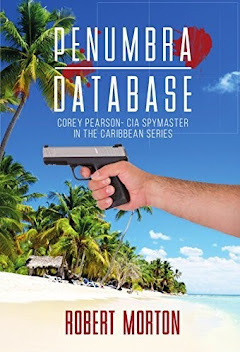
on the surface but fall apart once you get closer. In my Corey Pearson–CIA Spymaster Series,
missions that seem clean at first quickly turn messy when human nature, local
politics, and on-the-ground realities collide. Fiction is just a way to explore
those deeper truths.
The difference is that the people making
these calls in Washington and inside the intelligence community don’t get neat
chapter endings. They’re dealing with the same dilemmas right now, and they
have to live with the consequences long after the headlines fade.
There’s a moral struggle here that goes
beyond maps and military plans. For decades, the United States has talked about
standing up for democracy and helping people break free from oppression. But
when we act alone and use force, the line between helping and controlling blurs
fast. And when loyalty to a political agenda matters more than what
intelligence professionals are warning about, power stops being used carefully.
It becomes a gamble.
This moment highlights a bigger problem
about how America sees itself versus how it actually acts. National security
isn’t just about capturing leaders or scoring quick wins. It’s about trust,
credibility, and keeping allies on your side over time. It means backing up our
values with our actions. When leaders prioritize short-term victories over
long-term strategy, it raises red flags. And it’s not just adversaries who
notice. Allies start to wonder if raw power has replaced principle.
What America is really deciding right now
isn’t just how to get out of Venezuela without making things worse. It’s
whether we want to lead by working with others and respecting the rules we
expect everyone else to follow, or by throwing our weight around and daring the
world to accept it. That’s why U.S.
intelligence officials are losing sleep over this. They know this choice won’t
just shape Venezuela’s future. It’s going to define America’s security and
standing for years to come.
Robert Morton is a member of the Association of Former Intelligence Officers (AFIO) and writes about the U.S. Intelligence Community (IC). He also writes the Corey Pearson- CIA Spymaster Series, which blends his knowledge of real-life intelligence operations with gripping fictional storytelling. His work offers readers an insider’s glimpse into the world of espionage, inspired by the complexities and high-stakes realities of the intelligence community.


No comments:
Post a Comment