
 |
| The CIA Mole Who Betrayed America for Decades |
For years, Robert Hanssen looked like the
last person who would betray his country. He was quiet. Churchgoing. A bit
awkward. The kind of guy coworkers barely noticed. That’s exactly why he got
away with it for so long.
Behind
the scenes, Hanssen was quietly wrecking American intelligence.
Starting in the mid-1980s, he began
handing secrets to the Soviets and later the Russians. Not because he believed
in communism or hated the U.S., but because he liked the money and loved
feeling smarter than everyone else. He didn’t sneak around with fake passports
or dramatic meetings. He used old-school spy tricks. Dead drops in parks.
Encrypted notes. Cash and diamonds left under bridges. It was boring. And it
worked.
The damage was staggering. Hanssen exposed
U.S. intelligence operations across Russia. He gave away names of American
sources who were risking their lives to spy for the U.S. Some were arrested.
Some were executed. Others disappeared into prison systems never to be heard
from again. Inside the CIA, people knew something was wrong. Assets kept
getting rolled up. Operations kept collapsing. But no one could figure out why.
That uncertainty poisoned everything.
Trust inside the CIA and FBI eroded. Every failure triggered suspicion. Was
there another mole? Was someone still leaking? The agency spent years looking
over its shoulder, never fully sure the bleeding had stopped.
This is the kind of nightmare scenario
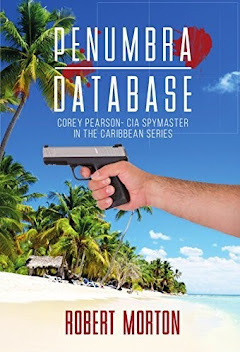
explored in the Corey
Pearson- CIA Spymaster Series, where Corey Pearson and his handpicked
team chase Russian moles buried deep inside American power structures. In the books, the threats include a mole
inside the CIA itself, one hiding in a U.S. Senator’s office chaired by the
Senate Select Intelligence Committee, and even one lodged near the National
Security Director. Fiction, yes—but Hanssen proved how close fiction can come
to reality.
By the late 1990s, the U.S. intelligence
community was desperate. The FBI finally narrowed the suspect pool by looking
backward. Who had access to the compromised files? Who fit the timeline? Who
had the skills to stay invisible? Slowly, the picture sharpened. Hanssen’s name
refused to go away.
Agents put him under constant
surveillance. They tracked his movements, his routines, even the way he walked.
In February 2001, they followed him to a quiet park in Virginia. He slipped a
package under a footbridge. Moments later, he was surrounded and arrested. No
chase. No drama. Just the end of a long con.
Hanssen would spend the rest of his life
in prison. But his impact didn’t end there. Networks had to be rebuilt. Careers
were ruined. The CIA never fully regained the confidence it lost during those
years.
That lingering scar is why stories like
Corey Pearson’s feel so real. They ask the question intelligence officers still
worry about today: if someone like Hanssen could hide that long once, how do
you ever know he’s not hiding again?
Robert Morton is a member of the Association of Former Intelligence Officers (AFIO) and writes about the U.S. Intelligence Community (IC). He also writes the Corey Pearson- CIA Spymaster Series, which blends his knowledge of real-life intelligence operations with gripping fictional storytelling. His work offers readers an insider’s glimpse into the world of espionage, inspired by the complexities and high-stakes realities of the intelligence community.


No comments:
Post a Comment