
 |
| Modern spycraft isn’t about looking dangerous. It’s about disappearing in plain sight. Step inside the hidden world of CIA tradecraft, undercover operations, and the inspiration behind the Corey Pearson Spy Series. |
Most people picture CIA operatives the way Hollywood portrays them: car chases, suppressed pistols, luxury casinos, and dramatic escapes.
Real espionage is usually much quieter.
One of the most important skills a CIA
operative can have overseas is the ability to disappear into ordinary life.
Blend in. Avoid patterns. Never give hostile intelligence services a reason to
look twice.
Despite satellites, cyberwarfare, AI, and
electronic surveillance, intelligence still depends heavily on people. Human
beings recruit sources, steal secrets, and meet informants face-to-face in
dangerous places where one mistake can expose everything.
Former CIA disguise specialists have
described how much effort goes into helping operatives remain invisible
overseas. Sometimes that means disguises, false passports, or new identities.
But often, the most valuable tradecraft is behavior.
A real undercover operative does not act
like a spy… and that’s what keeps them alive. The goal is to become
forgettable: a businessman checking into a hotel, a tourist taking photos, a
professor attending a conference, or an aid worker sitting in a crowded café.
Hostile intelligence services from
countries like Russia, China, and Iran search for suspicious behavior, nervous
habits, repeated routines, or unusual movements. That is why CIA operatives
train in surveillance detection, learning how to spot followers, enter and
leave meetings discreetly, and move through crowds without being remembered.
Because one mistake can destroy an
operation or get someone killed, and history offers real examples of how
critical this tradecraft can be.
One famous case involved Antonio Mendez,
the CIA disguise expert who helped orchestrate the 1980 “Canadian Caper” during
the Iran hostage crisis. Mendez entered Tehran under cover and helped six
American diplomats escape Iran by posing as a Hollywood film crew scouting
locations for a fake science-fiction movie. The operation succeeded because
Iranian authorities believed they looked ordinary and belonged there.
Another example was Aldrich Ames, whose
betrayal forced the CIA to rethink surveillance detection and operational
security. Ames secretly passed information to the Soviet Union for years while
appearing to be a normal CIA officer. His case showed how dangerous hidden
espionage becomes when tradecraft works too well, even inside intelligence
agencies.
Despite advances in technology, HUMINT, or
human intelligence, still matters. Satellites can photograph missile sites.
Cyber tools can intercept communications. AI can process vast amounts of data.
But none can fully replace a trusted human source inside a foreign government,
military program, or terrorist network.
That hidden layer of intelligence work
protects Americans more often than most people realize. Threats involving
terrorism, espionage, cyberattacks, and foreign influence operations are often
uncovered overseas long before the public hears about them.
That hidden world of surveillance and
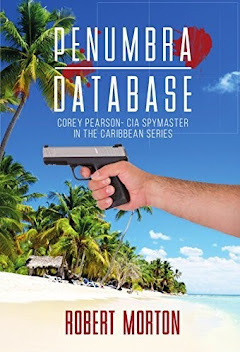
undercover operations became one of the inspirations behind my Corey Pearson- CIA Spymaster Series.
Throughout the series, Corey Pearson and his elite CIA team move quietly
through dangerous environments conducting surveillance, meeting assets, and
operating where one wrong move could expose everything. Whether blending into
crowded Caribbean streets, monitoring Russian operatives, or tracking
sleeper-cell activity tied to threats against America, the tension comes from
staying invisible while danger moves around them.
That is often closer to real espionage
than many people realize, for the best undercover operatives do not look
dangerous. They look ordinary. And that is exactly what makes them effective.
Spycraft has come a long way from the old
Cold War image of trench coats and secret notes. Today’s operatives work in a
world filled with facial recognition, biometric tracking, cyber monitoring, and
cameras almost everywhere. In a lot of ways, blending in is harder than ever.
But
America’s enemies never stopped spying. Russia still runs covert operations.
China still goes after technology and intelligence. Iran still watches people
overseas and pushes influence campaigns. And terrorist groups are still looking
for ways to hit Western targets.
That’s why CIA operatives continue moving
quietly through foreign cities under false identities, trying to uncover
threats before Americans feel the consequences.
When intelligence work succeeds, most
people never hear about it. No headlines. No public celebration.
Just ordinary people living ordinary
lives, unaware that hidden dangers may have already been stopped far from home
by someone who knew how to disappear into a crowd.
Robert Morton is a member of the Association of Former Intelligence Officers (AFIO) and writes about the U.S. Intelligence Community (IC). He also writes the Corey Pearson- CIA Spymaster Series, which blends his knowledge of real-life intelligence operations with gripping fictional storytelling. His work offers readers an insider’s glimpse into the world of espionage, inspired by the complexities and high-stakes realities of the intelligence community.


No comments:
Post a Comment