
 |
| Undercover CIA operative blends in, hiding in plain sight |
In the
covert world of espionage, creating and maintaining a credible false identity,
or "legend," is the cornerstone skill. CIA operatives master this art
to seamlessly transition from international missions to blending back into
civilian life after returning home in Washington, D.C. Their ordinary roles
hide extraordinary feats, serving as school teachers, baristas, or accountants,
while their actual tasks lead them through the labyrinth of international
intrigue.
Learning how to live under a fake identity
isn’t something you just pick up on the fly. It takes serious training and a
lot of imagination. It usually starts with intense workshops that drop
operatives into situations that feel uncomfortably real. They work on things
like mastering new accents, putting together believable fake paperwork, and
getting a solid grip on the politics and culture of the country they’re
assigned to.
Sometimes they’re even placed in a mock
foreign town, where they have to live day to day among actors playing locals.
The goal is simple: make the new identity feel so natural that it holds up,
even when people start asking questions.
Real spies aren’t just movie characters.
People like Valerie Plame and Antonio
J. Mendez show what the job actually looks like when the cameras aren’t
rolling. Plame, whose cover was famously blown to the public, spent years
quietly carrying out sensitive missions under an assumed identity, all while
keeping up the appearance of a normal suburban life. As explored in CIA
Spy Living Next Door: Valerie Plame’s Secret Life, her story is a
reminder of how thin the line can be between everyday routine and classified
danger.
Then there’s Tony Mendez, a master of
disguise with a creative streak that turned out to be a lifesaver. During the
Iranian hostage crisis, he helped pull off one of the boldest extractions in
CIA history by posing as a Hollywood filmmaker scouting a movie. Using fake
scripts, costumes, and pure nerve, he got six Americans out safely. The full
story, told in Tony
Mendez, the CIA Hero Behind the Movie “ARGO”, reads almost too wild
to be true. Together, their experiences show just how much ingenuity, risk, and
quiet sacrifice goes into a life lived undercover.
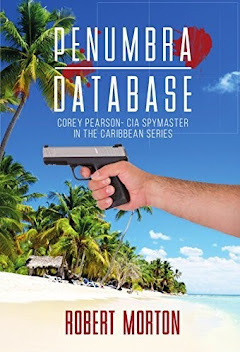
The intricate cover stories in the Corey Pearson- CIA Spymaster Series
capture the complex realities of living dual lives through engaging narratives.
Corey and his team expertly integrate their CIA duties with civilian roles that
allow them to return from overseas missions and blend effortlessly back into
their lives in Washington, D.C.
Corey, posing as a globe-trotting
freelance wildlife photographer, has a facade that supports his intelligence
gathering in remote regions. Ana, characterized as a charming independent
travel agent, leverages her role to gather critical intel using expansive
travel networks. Brad, a tech consultant for nonprofits, bridges the digital
domain of espionage with a believable civilian demeanor in the tech scene.
Steve and Ashley run a bustling wedding photography business, an occupation
that not only keeps them on the move but also masks their covert activities
with an air of romance and artistry.
Meanwhile, Stacey, working as a
cybersecurity specialist, uses her expertise to fortify operations while
maintaining an air of normalcy. Each member's credible persona enables them to
live ordinary lives, securely hiding their true CIA roles while keeping their
covert operations masked by their day-to-day interactions.
Pulling off a believable fake identity
isn’t just about learning accents or carrying the right documents. It’s really
about understanding how people think and act. Corey Pearson showed exactly how
far that skill can go when he posed as a customs official from the Dominican
Republic. Dressed in the right uniform and carrying himself with total
confidence, he walked straight onto the yacht of a Russian oligarch suspected
of plotting a deadly virus attack on U.S. soil. One wrong move could’ve blown
everything. The stakes couldn’t have been higher.
Seen this way, Corey Pearson and his team
are a perfect example of how espionage really works. Every operative has to be
a chameleon, slipping into carefully built identities that keep them safe and
get the job done. Each fake life is put together with purpose, helping protect
national security while they walk the tightrope of living two lives at once.
The trick is making it all look so natural that no one ever questions it.
Robert Morton is a member of the Association of Former Intelligence Officers (AFIO) and writes about the U.S. Intelligence Community (IC). He also writes the Corey Pearson- CIA Spymaster Series, which blends his knowledge of real-life intelligence operations with gripping fictional storytelling. His work offers readers an insider’s glimpse into the world of espionage, inspired by the complexities and high-stakes realities of the intelligence community.


No comments:
Post a Comment