
 |
| Five Eyes Intelligence Alliance Shields U.S. Security |
This
story in Newsweek, titled America-Led Spy Network Risks Collapse Over
Trump-Russia Fears, disturbs me because it hits at something most Americans
rarely think about but rely on every day. We assume the worst threats will be
stopped before they reach our neighborhoods, airports, or power grids. We trust
someone is watching the shadows so we don’t have to. The system that makes that
possible is the Five Eyes alliance, and the idea that political missteps could
weaken it should concern anyone who cares about national security.
Five Eyes was born out of World War II,
when the United States and the United Kingdom discovered that sharing
intercepted enemy communications gave them an edge. In 1946, they formalized
that partnership in the UKUSA Agreement. Canada, Australia, and New Zealand
later joined, forming a tight intelligence circle built on common language,
shared democratic traditions, and reliability. Over time, it became the most
integrated intelligence-sharing network in the world.
At its core, Five Eyes is about listening
in on the bad guys. The U.S. reviews intercepted communications picked up by
British stations. Australia passes along chatter gathered across the
Indo-Pacific. Canada watches suspicious digital traffic moving through North
America. New Zealand covers regions the U.S. cannot easily monitor alone. The
information flows nonstop. It works because each country trusts the others to
handle sensitive intelligence carefully and keep it out of political fights.
Trust is the whole ballgame. Intelligence
sharing is not like trade deals where countries argue in public and still swap
goods behind the scenes. If one partner thinks its secrets might be leaked or
politicized, it holds back. If allies are unsure Washington is steady, they
slow down. Even small pullbacks create blind spots, and blind spots in this
business can get people killed.
Five Eyes protects Americans in ways you
rarely see on the news. If a terror suspect overseas contacts someone in
London, British intelligence can tip off U.S. agencies fast. If Australian
analysts pick up extremist chatter aimed at Western targets, officials can warn
people or disrupt the plot. If Canadian cyber experts spot a Russian hack
targeting energy systems, that insight helps lock down U.S. defenses. No
country can watch every threat alone. Five Eyes covers what we would otherwise
miss.
This is not theory. It has saved lives. In
2006, British authorities broke up a plot to sneak liquid explosives disguised
as sports drinks onto flights leaving London for cities like New York and
Washington. Intelligence shared through Five Eyes, including intercepted
messages and tracked money transfers, helped piece it together.
Because agencies were working from the
same information, police made arrests before anyone boarded those planes. That
protected Americans heading home and families waiting at U.S. airports. Similar
intelligence sharing has shut down ISIS-inspired plots in Australia and Canada
before they became mass-casualty attacks.
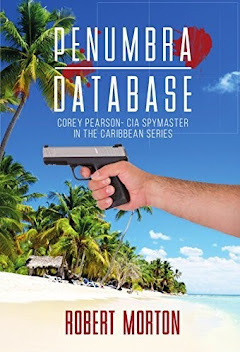
If you have read my Corey Pearson- CIA Spymaster Series,
you have seen how vital this kind of intelligence is to mission planning. In
those novels, the CIA, Corey Pearson and his elite CIA team rely heavily on
Five Eyes intelligence to map terrorist cells, track rogue states, and operate
safely in hostile regions. That reflects reality. American intelligence
officers depend on British intercepts, Australian surveillance, and Canadian
cyber expertise when planning operations overseas.
For years, the alliance has kept a steady
eye on Russia and China, tracking troop movements, cyberattacks, spy networks,
and influence campaigns. When leaders question alliances or sound friendlier
toward rival powers, it shakes that foundation. President Donald Trump’s tone
toward longtime allies and his approach to Russia have made some partners
wonder whether the United States is still a steady anchor. Even a hint of
unpredictability can make allies think twice about how much intelligence they
share.
Intelligence work depends on stability.
Analysts must trust the flow of information will continue and that shared
secrets will not become leverage in political fights. When allies talk about
limiting cooperation, that is a red flag.
Five
Eyes is about practicality. Geography makes it invaluable. The United Kingdom
sits close to Europe and Russia. Australia anchors the Indo-Pacific. Canada
covers the Arctic approaches. New Zealand reaches into the South Pacific.
Together, they create a wide net that helps catch threats early.
In my Corey Pearson- CIA Spymaster Series,
when Corey and his team enter a hot zone, they move in with a complete
intelligence picture built from allied sources. Take that away, and they are
operating half blind. In the real world, weakening Five Eyes would have the
same effect on American security. Keeping that trust intact helps keep danger a
safe distance from our shores.
Robert Morton is a member of the Association of Former Intelligence Officers (AFIO) and writes about the U.S. Intelligence Community (IC). He also writes the full-length Corey Pearson- CIA Spymaster Series, which blends his knowledge of real-life intelligence operations with gripping fictional storytelling. His thrillers reveal the shadowy world of covert missions and betrayal with striking realism.


No comments:
Post a Comment