
 |
| In the spy game, the deadliest rule is the one nobody admits exists. |
There’s a quiet rule in the world of
espionage. No treaty. No handshake. No official memo stamped and filed away in
some vault at CIA headquarters. And yet it’s been understood for decades by
their counterparts in Moscow, whether in the FSB or the GRU.
Spies don’t kill spies.
That might sound strange if your mental
image comes from movies or novels. In fiction, intelligence officers drop each
other with silencers in dark alleys and vanish into the night. My spy thriller Payback leans into that
tension, with a Russian assassin hunting CIA operatives and turning the shadows
lethal. It works because it breaks the rule. And breaking that rule feels
dangerous.
In real life, the game is colder. More
controlled. More calculated.
When American and Russian intelligence
officers cross paths overseas, the goal isn’t elimination. It’s containment. If
a CIA officer is identified, Russian operatives don’t reach for a weapon. They
watch. Closely. Every meeting, every pattern, every contact. Surveillance teams
map the network like a puzzle. Who is this officer talking to? Which local
sources are in play? Where are the vulnerabilities?
Sometimes the pressure becomes obvious. A
tail that’s just a little too visible. A “random” encounter that isn’t random
at all. It’s a message: we see you. Once that happens, the officer is
effectively compromised. Their usefulness drops to near zero.
From there, the endgame is familiar.
Exposure. Diplomatic complaints. Maybe a quiet word to the host country. Then
the formal step: persona non grata. Expulsion. A flight home.
It’s not mercy. It’s strategy.
The restraint holds because both sides
know what happens if it breaks. If one service starts killing the other’s
officers, payback is almost guaranteed. One killing can become a pattern fast,
and once that starts, it’s hard to stop.
There’s also the risk of escalation.
Espionage sits in the gray zone between peace and war. Governments put up with
it because everybody does it. But murdering accredited officers, especially
those under diplomatic cover, can push the game into something far more
serious.
Just as important, spy services like
predictability. Surveillance, recruitment, deception, arrests, expulsions, and
spy swaps are all part of a language both sides understand. Violence brings
chaos. It makes officers harder to control, governments quicker to react, and
mistakes more likely.
For the United States, there’s another
line. Executive Order 12333 formally bars U.S. intelligence from assassination.
That doesn’t end espionage, of course. It shapes how it’s done.
So the real understanding isn’t moral.
It’s self-protection. Each side accepts espionage as inevitable and punishes it
through counterintelligence instead of routine murder. The system is hostile,
but it has limits.
Still,
any unwritten rule invites the obvious question: has it ever been broken?
The closest case people usually mention is
Freddie Woodruff, a CIA officer shot and killed near Tbilisi, Georgia, in 1993.
Georgian authorities called it a random killing and convicted a local suspect.
Later, some former officials and writers raised the possibility of a
Russian-linked operation.
But that’s still disputed. It has never
been proven to be an official Russian intelligence assassination of an active
American officer. And that uncertainty matters. Because if Russian intelligence
had crossed that line and kept crossing it, the shadow war would look a lot
darker.
The line is clearest when it comes to
serving officers in the field. Outside that category, things get darker. Russia
has been widely accused of targeting defectors, former intelligence figures,
and dissidents abroad. Those cases involve
people Moscow may see as traitors or political threats. They’re not quite the
same as killing active CIA, FSB, or GRU officers within the usual rules of the
spy game.
Inside that game, the preferred tools are
quieter. Arrest the asset. Flip the source. Break the network. Expose the
officer. Expel them. Damage the operation without starting an assassination
war.
That’s what makes Payback so unsettling.
A Russian assassin hunting CIA operatives blows up the rulebook. Suddenly,
being watched isn’t just being watched. Being exposed isn’t just career-ending.
It could get you killed. Tradecraft isn’t enough. Trust disappears fast.
And in real life, that’s exactly what both
sides usually try to avoid.
U.S. and Russian intelligence live in
managed hostility. They spy, deceive, recruit, disrupt, and expose. They play a
long, careful game in the dark.
But both sides know the price of going too
far.
So
the line holds. Not officially. Not perfectly. But enough that when a spy thriller
sends an assassin across it, something feels badly wrong.
And that’s where the real chill begins.
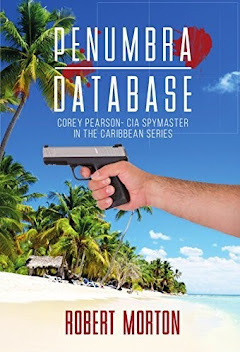
Robert Morton is a member of the Association of Former Intelligence Officers (AFIO) and writes about the U.S. Intelligence Community (IC). He also writes the Corey Pearson- CIA Spymaster Series, which blends his knowledge of real-life intelligence operations with gripping fictional storytelling. His work offers readers an insider’s glimpse into the world of espionage, inspired by the complexities and high-stakes realities of the intelligence community.


No comments:
Post a Comment