
 |
| Real CIA espionage is surveillance, tradecraft, covert operations, and staying hidden in plain sight |
There’s
a common misconception about CIA operatives overseas. People picture fast cars,
rooftop chases, and shootouts in narrow alleys. That makes for great movies.
It’s just not how the real game is played.
The truth is quieter. Slower. And a lot
more dangerous in ways most people don’t see.
According to former CIA officer Bob
Dougherty, the real skill isn’t action—it’s invisibility. Operatives don’t
survive by standing out. They survive by becoming part of the background. The
man reading a newspaper at a café. The woman waiting in line for coffee. The
business traveler checking into a hotel without anyone remembering his face
five minutes later.
That’s the job.
Overseas, especially in hostile countries,
intelligence officers are constantly being watched. Not always directly.
Sometimes it’s subtle. A familiar face showing up twice in a day. A car that
lingers just a little too long. Security services studying patterns, routines,
contacts. Waiting for a mistake.
Because in that world, patterns get you
caught.
So CIA operatives work to avoid them.
Meetings aren’t predictable. Routes change. Timing shifts. Even the smallest
detail—where you sit, what you order, how long you stay—can matter. Every move
is calculated to look normal while revealing nothing.
It’s a game of patience.
A source might take months to develop.
Sometimes years. You don’t rush it. You build trust slowly, layer by layer,
without ever tipping your hand. One wrong move, one hint of pressure, and the
door closes. Worse, it triggers suspicion that can roll back through an entire
network.
That’s the part most people never see. The
waiting. The discipline. The ability to sit in plain sight and do absolutely
nothing—until the exact moment comes when doing something matters.
And even then, it has to look like nothing
at all.
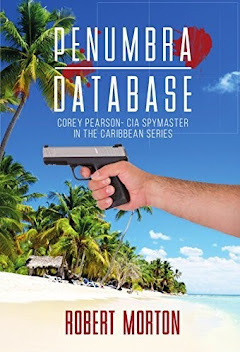
This is the world that inspired scenes
throughout the Corey
Pearson—CIA Spymaster Series. When Pearson tails a Russian
operative into a crowded café, he isn’t looking for a confrontation. He’s
looking for a vantage point. A rhythm. A break in routine. His team isn’t
circling like predators—they’re blending, talking, ordering drinks, becoming
part of the noise.
Because that’s where the real advantage
lies.
In Mission of Vengeance, in Shadow War, and
throughout the series, the tension doesn’t come from explosions. It comes from
proximity. From knowing that the person you’re watching could turn and spot you
at any moment. From understanding that you’re not just observing—you’re being
observed right back.
That’s the reality Dougherty is talking
about.
Hidden in plain sight isn’t a clever
phrase. It’s survival.
And it’s happening every day in cities
around the world. Quiet meetings. Subtle signals. Lives built on cover stories
that have to hold under pressure from some of the most capable intelligence
services on the planet.
No spotlight. No credit. No headlines.
Just the slow, careful work of staying
invisible long enough to get the information that keeps Americans safe.
That’s the real spy game.
And once you understand it, every crowded
café, every airport terminal, every busy street starts to look a little
different.
Robert Morton is a member of the Association of Former Intelligence Officers (AFIO) and writes about the U.S. Intelligence Community (IC). He also writes the Corey Pearson- CIA Spymaster Series, which blends his knowledge of real-life intelligence operations with gripping fictional storytelling. His work offers readers an insider’s glimpse into the world of espionage, inspired by the complexities and high-stakes realities of the intelligence community.


No comments:
Post a Comment