
 |
| CIA operations in Mexico are protecting American streets |
Two CIA operatives died in a crash in
northern Mexico after coming back from a mission to take down a hidden drug
lab, according to the Associated Press. Two Mexican investigators were killed
too, and the accident has people asking more questions about how deeply the
U.S. is involved in fighting cartel activity in the region.
The
headlines tend to make it sound like spy work happens a world away. Think
deserts, distant capitals, shadowy meetings in places most of us will never
visit. But this story pulls the curtain back a bit. It reminds us that some of
the most important intelligence work isn’t happening half a globe away. It’s
happening right next door.
That’s what many people miss.
When we hear about the CIA, we picture big
global chess matches with foreign governments. And sure, that’s part of the
job. But sometimes the danger is much closer to home, and a lot messier. This
article points to something deeper: cartels, politics, and foreign players who
are more than happy to take advantage of chaos.
It’s
not just drugs. It’s not just crime. It’s how fast those problems can turn into
national security threats.
Cartel
labs sitting just across the border aren’t isolated problems. They’re
production hubs feeding networks that stretch straight into American cities.
Money flows, weapons move, information gets traded. And where there’s that kind
of activity, you can bet foreign actors are paying attention too. Not always
loudly, not always directly, but they’re there, watching for opportunities.
That’s where intelligence work shifts from
something abstract to something immediate.
The idea that threats can move from a lab
in Mexico to a U.S. neighborhood in just days changes how you see it. It’s not
far away. It’s not theoretical. It’s close, fast, and real. And the people
handling it aren’t just analysts behind desks. They’re CIA operatives,
informants, and DEA teams working where crime and global politics overlap.
It also explains why incidents like this
matter more than they might seem at first glance. When something goes wrong
involving intelligence personnel in that region, like two CIA operatives dying,
it’s not just an isolated event. It’s a glimpse into a much bigger, more
complicated mission that rarely makes headlines.
Most of that work stays invisible by
design.
And honestly, that’s probably a good
thing.
Because if you start to connect the dots,
you realize how much effort goes into keeping certain threats from ever
reaching the point where they become front-page news. Disrupting supply chains.
Monitoring alliances. Keeping tabs on who’s talking to who. It’s constant,
detailed work that doesn’t come with press releases.
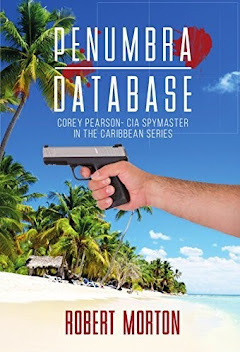
That’s part of what inspired my own
writing, especially in the Corey
Pearson- CIA Spymaster Series. In those stories, Corey Pearson and
his elite CIA team move through places like Mexico and the Caribbean, dealing
with exactly this kind of overlap. Cartels, foreign spies, hidden agendas. They’re not just chasing criminals. They’re
pushing back against Russian operatives trying to use America’s backdoor to
gain influence and access.
It’s fiction, sure. But it’s rooted in a
real idea: that the front lines of national security aren’t always where people
think they are.
They can be along a border. In a port
city. In a place where criminal networks and international interests collide.
And while most of us go about our lives
without thinking about it, people are working in those places every day, trying
to stay one step ahead. Not for attention. Not for headlines. Just to keep
problems contained before they spill over.
So when you see a story like this, it’s worth pausing for a second. Not to speculate wildly or assume the worst, but to see what it represents: a reminder that security isn’t just about far-off conflicts. Sometimes it’s about what’s happening just beyond the edge of the map we usually pay attention to.
And more often than not, it’s already
being handled long before we even know there was something to worry about.
Robert Morton is a member of the Association of Former Intelligence Officers (AFIO) and writes about the U.S. Intelligence Community (IC). He also writes the Corey Pearson- CIA Spymaster Series, which blends his knowledge of real-life intelligence operations with gripping fictional storytelling. His work offers readers an insider’s glimpse into the world of espionage, inspired by the complexities and high-stakes realities of the intelligence community.


No comments:
Post a Comment