
 |
| Corey Pearson and his CIA team uncover a hidden Russian disinformation war designed to divide America from within |
Most Americans think espionage means
stolen files, hidden cameras, or spies ducking through dark alleys overseas.
But one of the most dangerous intelligence wars right now doesn’t involve
bullets or briefcases. It’s happening on your phone… to you!
Russian intelligence figured out long ago
that you don’t always need to beat a country on the battlefield if you can get
its own people fighting each other first.
That’s where disinformation comes in.
Associated Press reporting says Russian
networks boosted false and misleading claims about recovery efforts after Hurricanes
Helene and Milton in the United States. They didn’t create the suffering. They
didn’t cause the storm damage. They took real pain, real frustration, and real
fear, then poured gasoline on it online.
The goal wasn’t just confusion. It was
division.
Make Americans distrust the government.
Distrust the media. Distrust each other. That’s modern psychological warfare. And
compared to tanks and missiles, it’s cheap.
Moscow also keeps pushing propaganda meant
to weaken American support for Ukraine. Again, the real target isn’t just
policy. It’s trust. Russian intelligence knows a divided America is distracted,
angry, and easier to manipulate.
The battlefield isn’t just overseas
anymore. It’s in the information you scroll through every day.
That’s what a lot of people still miss. Most
disinformation isn’t obvious. It doesn’t show up stamped “Kremlin-approved.” It
moves through fake accounts, edited videos, rage-bait posts, conspiracy pages,
and emotional stories built to spread before facts catch up.
Some contain half-truths twisted into
something poisonous. Others are total lies meant to spark fear or anger. And
once people start turning on each other, the operation is working. That’s the
scary part.
Russian intelligence agencies have spent
years studying weak spots in Western countries: politics, race, money worries,
distrust of institutions. They look for pressure points the way a burglar
checks doors and windows.
Then they push. Hard.
That’s why U.S. intelligence agencies now
treat disinformation as a national security threat, not just internet drama.
These campaigns can shape public opinion, stir unrest, damage trust in
elections and institutions, and weaken America from within without a single
shot being fired.
And most Americans never realize they’re
targets.
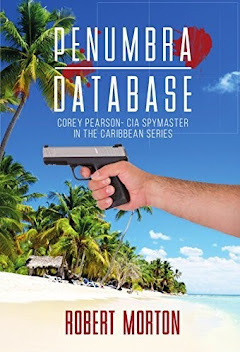
That hidden war helped inspire my spy
thriller Mission of
Vengeance. In the novel, CIA spymaster Corey Pearson and his elite
team uncover a former Russian KGB operative running an operation from a
fortified estate in the Dominican Republic. From there, he directs a high-level
disinformation campaign using Russian hackers and online propaganda networks to
reach thousands of Americans and Caribbean citizens through social media, all
aimed at weakening trust in the United States and undermining America’s
presence in the Caribbean.
The goal isn’t to make everyone believe
one story. It’s to create so much chaos, anger, and distrust that people stop
believing anything at all.
That’s what makes modern information
warfare so dangerous.
You can see pieces of it online every day.
Outrage travels faster than facts. Fake stories go global in minutes. AI-made
images and videos blur what’s real and what’s fake. Foreign intelligence
services understand that perfectly.
The average American family may think this
doesn’t affect them, but it does. Disinformation can inflame unrest, deepen
political hostility, cause panic during emergencies, and weaken the country’s
ability to respond together in a real crisis.
A hostile foreign power doesn’t need to
invade if it can convince citizens to rip each other apart first.
That’s why U.S. intelligence spends so
much time tracking influence operations, watching foreign propaganda networks,
identifying fake accounts, and warning Americans when hostile actors are trying
to manipulate public opinion.
Most of that work happens quietly. You
don’t see analysts tracing bot activity. You don’t see cyber teams finding
troll farms. You don’t see intelligence agencies connecting fake stories back
to hostile governments.
But that invisible fight matters. Because
every time a foreign disinformation campaign is exposed early, every time a
fake influence network is disrupted, and every time Americans better understand
how these operations work, the country becomes harder to manipulate.
That’s the real modern spy war.
It’s not just stealing secrets anymore; it’s
about protecting Americans from manipulation, propaganda, and foreign efforts
to make them distrust each other.
Robert Morton is a member of the Association of Former Intelligence Officers (AFIO) and writes about the U.S. Intelligence Community (IC). He also writes the Corey Pearson- CIA Spymaster Series, which blends his knowledge of real-life intelligence operations with gripping fictional storytelling. His work offers readers an insider’s glimpse into the world of espionage, inspired by the complexities and high-stakes realities of the intelligence community.


No comments:
Post a Comment