
 |
| One compromised diplomat. One deadly conspiracy. Mission of Vengeance brings the hidden threat to life. |
Most people picture spies in trench coats, using dead drops and slipping through dark alleys. But some of the most dangerous espionage cases start in quieter places: embassy receptions, diplomatic cables, private dinners, offshore accounts, and personal secrets a hostile intelligence service can turn into leverage.
That is why compromised diplomats are so
dangerous. They do not just carry passports and attend meetings. They may know
who talks to Washington, what regional leaders really think, where U.S. policy
is going, and which governments quietly help American intelligence or law
enforcement. Give that access to a hostile spy service, and the damage can
spread for years before anyone sees it.
The Manuel Rocha case was a wake-up call.
A former U.S. ambassador admitted he had secretly served Cuba for decades while
moving through the American foreign policy world. He had held diplomatic posts,
worked around sensitive policy, and built a career that looked respectable from
the outside. That is exactly why the case rattled people. It showed that
betrayal does not always look suspicious. Sometimes it wears a suit, speaks
fluent diplomatic language, and smiles for official photos.
There is no publicly proven recent case of
a U.S. ambassador being turned by Russian intelligence the way Rocha was turned
by Cuba. But Russian intelligence has long targeted diplomats, officials,
businesspeople, defense insiders, and people close to power. Moscow’s services
do not need every target to be a spy. They just need access, influence,
compromise, or someone willing to look away for money.
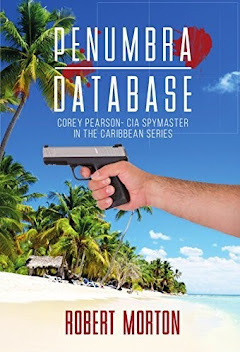
That is the danger at the heart of my Corey Pearson- CIA Spymaster
Series. In Mission
of Vengeance, Corey Pearson and his elite CIA team operate
in the Caribbean world where diplomacy, organized crime, Russian intelligence,
and terrorism collide. That is not just thriller fuel. It reflects a real
national-security truth: America’s enemies often look for seams between
diplomacy, crime, and intelligence.
In my fictional storyline, U.S. Ambassador
to the Dominican Republic Thomas Lawrence has been compromised by Russian
intelligence and is also tied to a Colombian drug cartel. He helps arrange a
high-level OAS meeting on Cat Island in the Bahamas, supposedly to support
easier extradition of Colombian drug smugglers to the United States. On the
surface, it looks like a diplomatic win. Behind the scenes, Russian
intelligence and cartel money have bought Lawrence for $10 million, and the
meeting becomes a trap.
That kind of plot works because the real
world has shown how dangerous a compromised official can be. A hostile service
does not always need to steal a missile blueprint. Sometimes it only needs to
know who will attend a meeting, where they will stay, what security looks like,
and which political leaders are pushing policies that hurt Russia, Iran,
Hezbollah, or cartel allies. Intelligence is not only about secrets. It’s about
timing, access, and opportunity.
In Mission of Vengeance,
Corey and his team slip onto Cat Island, a remote out island in the Bahamas, as
tourists, hunting for a Hezbollah suicide bomber before he can strike the OAS
meeting. The fiction is dramatic, but the national-security logic is real. If a
hostile diplomat like Ambassador Lawrence can feed Russian intelligence the
right details, terrorists and criminal networks can turn a policy summit into a
massacre.
Recent
cases show why personal compromise matters. In 2025, a U.S. diplomat in China
was dismissed after secretly hiding a romantic relationship with a Chinese
woman allegedly tied to the Chinese Communist Party, raising
counterintelligence alarms. The case was not about passing classified
information. It was about the danger secret foreign relationships can create.
Foreign spies are patient. They collect secrets, habits, debts, desires,
grudges, and private vulnerabilities. What starts as romance, flattery, money,
or ideology can become access.
That is why U.S. counterintelligence has
to watch diplomats as carefully as it watches hackers, spies, and terrorists. A
compromised ambassador can shape policy, expose sources, weaken allies, and put
American lives at risk. In the Caribbean, that threat grows even sharper
because drug cartels, corrupt officials, Russian intelligence, and terrorist
groups can all profit from the same broken link.
The scary part is that the public often
hears about these cases only after the damage is done. By then, years of
meetings, cables, contacts, and decisions may already be compromised.
That same hidden fear drives Mission of Vengeance.
The novel turns a real counterintelligence nightmare into a fast-moving
thriller: What happens when the person representing America abroad is secretly
helping America’s enemies?
The answer is simple. People can die.
Alliances can crack. Criminals can escape justice. And one corrupt diplomat can
become the opening America’s enemies were waiting for.
Robert Morton is a member of the Association of Former Intelligence Officers (AFIO) and writes about the U.S. Intelligence Community (IC). He also writes the Corey Pearson- CIA Spymaster Series, which blends his knowledge of real-life intelligence operations with gripping fictional storytelling. His work offers readers an insider’s glimpse into the world of espionage, inspired by the complexities and high-stakes realities of the intelligence community.


No comments:
Post a Comment