
 |
| Best British Spy Shows That Capture Real MI5 and MI6 Espionage |
The spy genre never really goes cold, and
a recent ranking by TVLine of the five best British spy shows proves
why. British TV has gotten very good at pulling viewers into the shadow world
of intelligence, where office politics, double agents, and covert operations
often look a lot like the real spy game on both sides of the Atlantic.
It's no surprise that Slow Horses
sits near the top of the list. Forget polished secret agents with perfect
records. This series follows a group of MI5 officers whose careers have gone
off the rails and who've been banished to the intelligence world's version of
the penalty box, led by the scruffy but razor-sharp Jackson Lamb. What makes
the show so good is that it captures a basic truth about espionage.
Intelligence agencies are full of talented people, but one bad decision can
derail a career. At the same time, seasoned officers develop instincts that no
software can duplicate.
The CIA and FBI work much the same way,
where experienced case officers often spot deception, recruitment
opportunities, or hostile surveillance simply because they've seen the patterns
play out countless times before.
The British-American intelligence overlap
runs deep. MI5 watches threats at home, much like the FBI’s counterintelligence
side, while MI6 works overseas in a role similar to the CIA’s clandestine
service. Both lean on human sources, surveillance, intercepted communications,
and tight allied cooperation. Through Five Eyes, Washington and London share a
massive stream of classified intelligence secrets.
That partnership is one reason readers who
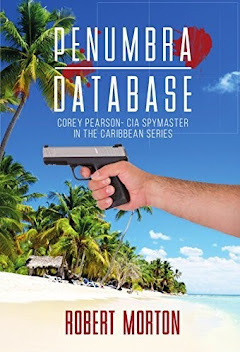
enjoy realistic espionage often find themselves drawn to the Corey Pearson- CIA Spymaster Series.
While Corey operates primarily through the CIA and U.S. intelligence community,
his investigations frequently intersect with allied intelligence services,
reflecting the reality that modern espionage is rarely confined to one country.
Russian intelligence officers, international terrorist networks, cyber threats,
and hostile foreign influence campaigns don't respect borders, forcing
intelligence agencies to work together.
MI-5, called Spooks
in Britain, still stands out because it feels closer to the real
counterterrorism and counterintelligence grind than most spy shows. It isn’t
just shootouts and car chases. You see analysts digging through intelligence,
surveillance teams trailing targets, informants being worked, and officials
making tough calls with politics breathing down their necks. That’s much closer
to how real cases move. Officers can spend weeks watching a suspect, mapping
routines, intercepting communications, or testing whether one source is solid
before anyone makes a move.
Black Doves pulls
readers in from a different direction, with secret lives, fake identities, and
the slow burn of long-term infiltration. Deep-cover work is one of the hardest
games in intelligence. Whether it’s an MI6 officer building trust overseas or a
CIA officer living under non-official cover, the backstory has to hold up. They
need jobs, travel histories, finances, relationships, and tiny personal details
nailed down, because one loose thread can unravel an entire operation.
Killing Eve takes
the spy game into darker territory, built around the dangerous dance between
intelligence officers and a professional killer. Sure, it turns up the drama
for TV, but underneath the style is a real counterintelligence truth: hostile
operatives have to be found before they move. That means tracking routines,
spotting surveillance patterns, studying behavior, recruiting sources, working
crime scenes, and leaning on foreign partners before an assassin gets close to
the target.
Bodyguard brings
the story closer to home, where politics, terrorism, personal protection, and
intelligence all collide. Today’s spy work isn’t just about stealing secrets
from overseas enemies. It’s also about protecting leaders, spotting insiders,
watching extremist networks, and stopping attacks before the public ever knows
how close things got. U.S. agencies deal with that same pressure every day,
working with police, the military, and allied intelligence services.
A lot of that same tradecraft runs through
the Corey Pearson- CIA
Spymaster Series. Readers see surveillance detection routes (SDRs),
where Corey checks turns, reflections, stops, and timing to see if someone is
following him. They see technical surveillance, like hidden cameras, trackers,
and intercepted communications. Digital hacking shows up through breached
systems, stolen data, and hacked security feeds. Behavioral profiling comes in
when officers study nervous habits, routines, lies, and sudden changes in
movement. The series folds all of it into fast-moving plots about Russian
espionage, terrorism, cyber threats, and foreign influence.
Perhaps that's why British spy dramas
continue to resonate with audiences around the world. Beneath the suspense,
betrayals, and covert missions lies a simple truth. Whether the badge says MI5,
MI6, CIA, FBI, or NSA, intelligence work is ultimately about protecting
democratic societies from threats most citizens never see. The methods may
differ slightly, the accents certainly change, but the mission remains
remarkably similar: gather reliable intelligence, outthink determined
adversaries, and stop tomorrow's crisis before it ever reaches the evening
news.
Robert Morton is a member of the Association of Former Intelligence Officers (AFIO) and writes about the U.S. Intelligence Community (IC). He also writes the Corey Pearson- CIA Spymaster Series, which blends his knowledge of real-life intelligence operations with gripping fictional storytelling. His work offers readers an insider’s glimpse into the world of espionage, inspired by the complexities and high-stakes realities of the intelligence community.


No comments:
Post a Comment