
 |
| Dead Drops, HUMINT, and AI: Old-School Spycraft Refuses to Die in the age of AI |
AI
isn’t creeping into the world anymore. It’s kicking the front door open.
It can
write essays, fake voices, create lifelike images, scan faces in a crowd, and
chew through oceans of data before most of us finish our first cup of coffee.
Today’s intelligence agencies have tools
Cold War spies would’ve thought belonged in a science fiction movie. Satellites
can stare down at military bases from space. Supercomputers can sort through
billions of communications. Algorithms can catch patterns no human analyst
would ever spot on their own.
Yet with all that technology, one thing
still hasn’t changed. The intelligence community still leans hard on
old-fashioned spycraft because human beings remain the toughest intelligence
target on earth. CIA operatives are trained to blend in, stay invisible in
plain sight, and move through crowds without drawing attention. When it comes
to gathering intelligence, that human touch still matters: check out The
Hidden World of CIA Spycraft: How Operatives Blend In and Stay Invisible
Hollywood makes espionage look like a
gadget war. Real spy work is usually quieter. Sometimes the best intelligence
comes from a trusted source, a private conversation, or a dead drop tucked
where nobody bothers to look.
Truth is, most Americans use a little
old-school spycraft every day. Ever hide Christmas gifts from your spouse?
Congratulations, you just ran a concealment operation. Ever slip cash to a
grandchild when the parents weren’t looking? That’s practically a brush pass. Ever
stash a spare house key under a flowerpot? You’ve created a dead drop. The CIA
would probably suggest a better hiding place, but the idea is the same.
Technology changes. Human behavior
doesn’t.
That’s why intelligence agencies still put
so much value on HUMINT, or Human Intelligence. That’s intelligence from
people. Sources. Informants. Defectors. The folks who know things no satellite,
cyber tool, or AI system can pull out of thin air.
A satellite can show tanks massing near a
border, but a human source can tell you why they’re there. A cyber hack might
reveal a burst of communications traffic, but a human source can tell you what
the people in charge are really thinking. AI can crunch mountains of
information, but it still can’t sit across from a nervous government official,
read the tension in his face, and figure out whether he’s ready to betray his
country.
That human element is still priceless.
This balance between cutting-edge
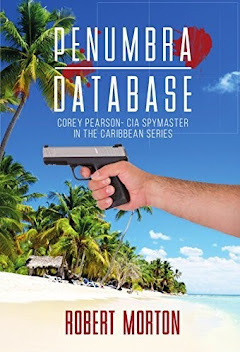
technology and traditional tradecraft appears throughout the Corey Pearson- CIA Spymaster Series.
Corey Pearson often relies on old-school espionage methods that intelligence
officers have used for decades. Surveillance, covert meetings, brush passes,
dead drops, and source handling remain essential tools in his arsenal.
At the same time, Corey benefits from
advanced technological support provided by Stacie, a CIA mole secretly planted
inside the NSA. Armed with access to a powerful quantum computer, Stacie helps
uncover information that would otherwise remain hidden.
In the spy thriller Payback, book no. 3 of the
series, Stacie uses her supercomputer to identify a suspicious individual
entering the United States through San Francisco International Airport. By
penetrating airport security camera systems and analyzing visual data, she
helps Corey identify a potential threat before it can disappear into the
country.
But even with all that computing power,
somebody still has to put boots on the ground. That somebody is Corey Pearson…
and his elite CIA team. The reason is simple. Technology finds clues. People
solve mysteries.
In fact, the rise of artificial
intelligence may actually increase the value of traditional spycraft. Why?
Because deepfake videos can create fake evidence. AI-generated voices can mimic
trusted contacts. Fraudulent emails can appear legitimate. Digital
communications can be manipulated in ways that become increasingly difficult to
detect.
As digital deception becomes easier,
intelligence officers find themselves relying even more on face-to-face
validation, for a trusted source remains a trusted source, a dead drop can’t be
hacked, a handwritten note cannot be digitally altered after it has been
delivered, and an in-person meeting leaves no electronic trail: check out In
the Shadows: Why the CIA Still Relies on Human Intelligence in a Digital Age.
Those advantages have become more
valuable, not less.
Corey Pearson encounters this challenge
repeatedly throughout the series. While Stacie's NSA quantum computer can
locate patterns hidden within oceans of data, Corey frequently discovers that
the final breakthrough comes from a source meeting, surveillance operation, or
carefully executed piece of human tradecraft.
The machines point him in the right
direction, but the humans close the case. Many people assume intelligence work
is becoming fully automated, but the reality is far different. Every
technological advance creates new opportunities, but it also creates new
vulnerabilities. Artificial intelligence can help identify a threat, but it can’t
always explain motivation. Cyber tools can collect information, but they cannot
always determine intent. Satellites can reveal movement, but they can’t always
reveal plans. Only people can.
That is why intelligence agencies continue
recruiting sources, handling assets, conducting surveillance, and employing
tradecraft techniques that would be familiar to CIA operatives from fifty years
ago.
The tools have changed. Human nature has
not. And that's why old-school spycraft isn't disappearing anytime soon.
Even in an age of quantum computers,
artificial intelligence, facial recognition systems, and global surveillance
networks, some of the most valuable intelligence in the world still begins with
a conversation between two people.
Or perhaps a dead drop hidden in plain
sight.
Just don't use the flowerpot
Robert Morton is a member of the Association of Former Intelligence Officers (AFIO) and writes about the U.S. Intelligence Community (IC). He also writes the Corey Pearson- CIA Spymaster Series, which blends his knowledge of real-life intelligence operations with gripping fictional storytelling. His work offers readers an insider’s glimpse into the world of espionage, inspired by the complexities and high-stakes realities of the intelligence community.


No comments:
Post a Comment