
 |
| A daring CIA cover story hidden behind Hollywood glamour. |
Long before spy thrillers packed
bookshelves and streaming queues, real CIA officers were pulling off missions
so wild they seemed made up. Few stories prove it better than Tony Mendez’s
remarkable career as a master of disguise whose creativity helped deliver one
of intelligence history’s boldest rescues.
Mendez joined the CIA during the Cold War
and spent decades in the shadows. Forget the movie image of spies roaring
through streets in chase scenes; his real trick was much harder: becoming
someone else. He mastered disguises, fake documents, invented identities, and
the art of making people buy a story. In the spy business, a solid cover can
beat the flashiest gadget every time.
His most famous mission came during the
Iranian hostage crisis. While dozens of Americans were held after the U.S.
Embassy in Tehran fell, six slipped away and found shelter with the Canadians.
Getting them out of Iran was another story. Every border crossing, airport
checkpoint, and government desk could have blown everything sky-high.
The solution was pure genius. Instead of
the usual diplomatic or business cover, Mendez came up with something nobody
expected: a film crew scouting locations for a science-fiction movie. It took
far more than fake passports. The CIA had to build an entire make-believe
world. Business cards were printed, ads were placed, a production company
seemed to exist, and scripts and promotional materials were created until the
story looked real enough to pass inspection.
The plan worked because of one simple
truth: everybody understood Hollywood. A film crew traveling overseas didn’t
seem odd, and creative types were expected to act a little strange. That cover
gave the group just enough believability to move through a tense, unpredictable
place.
Modern spy agencies still lean hard on cover identities, though the game has changed since the late 1970s. Today’s operatives face problems earlier spies never imagined. Social media, digital footprints, security cameras, biometric scanners, and massive databases make fake identities tougher to maintain. Now a cover story has to survive not just a face-to-face grilling, but years of online history.
Some operatives work under official cover,
posted to embassies or diplomatic missions. Others go non-official, blending in
as businesspeople, consultants, aid workers, academics, or travelers. Building
those identities can take years, with detailed backstories, paperwork, and
quick answers ready for nosy questions.
That deep-cover world is why spy fiction
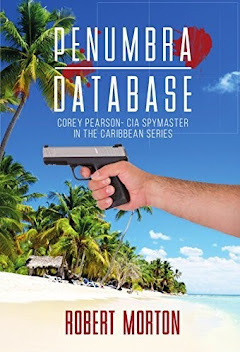
hooks readers. Fans of the Corey
Pearson–CIA Spymaster Series know Corey and his CIA team survive by
slipping into local life across the Caribbean, from the Dominican Republic to
Cuba, where one tiny mistake can wreck everything.
What made Mendez especially effective was
his understanding that successful espionage often depends on psychology rather
than technology. The best cover stories are not necessarily the most elaborate.
They are the ones people want to believe. Human beings naturally seek
explanations that fit their expectations. By creating identities that appeared
ordinary and believable, intelligence officers could often move through
dangerous situations without attracting attention.
The Iran rescue proved the point. There
were tense moments and delays, but the mission worked because the story held up
under pressure. Everyone knew their role and stuck with the illusion.
Undercover risks go way beyond the
mission. Living under a fake identity can be lonely and mentally brutal.
Officers may spend months or years away from family, unable to explain their
work or even check in regularly. Once exposed, help may be scarce. Survival
often comes down to staying calm while enemies close in.
That reality echoes through many fictional
spy adventures as well. In Shadow
War, part of the Corey Pearson spy series, readers witness one of
the most dangerous situations any undercover operative can face. While
operating under deep cover in Cuba, Pearson's carefully constructed identity is
suddenly exposed.
As Havana police and Cuban intelligence
agents descend on his hotel, he and his team are forced into a desperate escape
with only minutes to spare. The scene captures a very real danger in espionage:
when a cover story unravels, years of preparation can vanish in an instant,
leaving an operative isolated, vulnerable, and fighting simply to survive.
After retiring, Mendez returned to art,
the passion that had shaped him from the start. I later spoke with Tony’s son
and learned he passed away from Parkinson’s disease, but his legacy remains
tied to one of the most imaginative CIA operations ever pulled off.
His story reminds us that espionage is not
always about gadgets, gunfights, or car chases. Sometimes the best disguise is
not a mask or forged passport, but a story so believable that everyone accepts
it as real.
Robert Morton is a member of the Association of Former Intelligence Officers (AFIO) and writes about the U.S. Intelligence Community (IC). He also writes the Corey Pearson- CIA Spymaster Series, which blends his knowledge of real-life intelligence operations with gripping fictional storytelling. His work offers readers an insider’s glimpse into the world of espionage, inspired by the complexities and high-stakes realities of the intelligence community.


No comments:
Post a Comment