
 |
| How spies, scientists, and agents help prevent a dirty-bomb nightmare |
A radioactive dirty bomb in an American
city is the kind of threat that grabs people by the throat. Not because it
would create a movie-style nuclear blast. It wouldn’t. The real danger is
uglier: fear, contamination, chaos, and the power to bring a city to a halt.
Picture a packed downtown suddenly sealed
off by emergency vehicles. Radiation teams move in. Streets close. Businesses
go dark. Families evacuate. News helicopters circle overhead. The blast damage
might be limited, but the psychological punch could be massive. Panic, cleanup
costs, evacuations, and economic disruption could hit hundreds of thousands of
people.
That grim possibility is why U.S.
intelligence has watched this threat for decades, even while most Americans
barely think about radioactive materials. But they are out there, in hospitals,
labs, factories, and construction sites, doing useful work every day. The
challenge is making sure dangerous material never lands in the hands of someone
who wants to spread fear.
That’s where the quiet work of
intelligence professionals matters. The CIA, FBI, Homeland Security, and
Department of Energy spend countless hours spotting threats before they reach
America. Intelligence officers work with foreign partners to expose smuggling
networks. Analysts track extremist groups interested in radiological materials.
Border teams use advanced detection equipment at ports, airports, and crossings
to catch suspicious shipments.
One chilling example came out of Moldova,
where undercover investigators broke up radioactive-smuggling rings trying to
sell dangerous material on the black market. In one case, traffickers were
looking for buyers who might use it in a dirty bomb. That shows the ugly truth:
the danger starts before any bomb exists. It begins when radioactive material
slips into criminal hands.
U.S. intelligence watches those cases
closely because a radiological threat can start overseas and still end up aimed
at an American city. Since 9/11, the FBI and federal partners have treated
dirty-bomb threats as serious business. Radiation detectors scan cargo
containers, trucks, ships, and luggage at ports and border crossings.
Suspicious hits are checked, materials are traced, and intelligence is shared
fast. Specialized teams investigate nuclear and radiological leads before
danger gets close.
Real cases show why that vigilance
matters. In 2002, Jose Padilla, a U.S. citizen, was arrested at Chicago’s
O’Hare Airport after he had discussed a possible dirty-bomb plot with al-Qaeda
figures overseas. The case became controversial, but it sent a clear message:
federal agencies cannot wait until radioactive material is in motion. By then,
the danger may already be too close.
The challenge is compounded by the fact that
dirty bombs are designed to spread fear as much as radiation. Terrorist
organizations have long understood that psychological impact can sometimes
exceed physical destruction. An attack that forces the evacuation of a major
city center, contaminates public spaces, and dominates headlines for weeks
could achieve many of an adversary's objectives without causing the massive
casualties associated with a nuclear explosion.
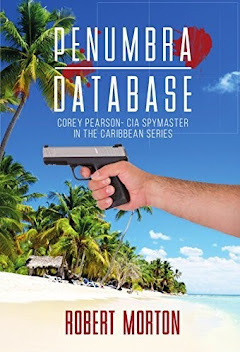
That scenario plays a central role in my
spy thriller Shadow War.
CIA spymaster Corey Pearson and his elite team uncover intelligence suggesting
that a Russian sleeper cell may be preparing to detonate a radioactive dirty
bomb inside the United States. The possibility sends shockwaves through
Washington as Pearson races to determine whether the threat is real. The
President, the Director of National Intelligence, and senior intelligence
officials turn to a renowned nuclear physicist whose assessment paints a
chilling picture of what such an attack could mean for an American city.
The fictional storyline resonates because
it is rooted in a very real concern that intelligence professionals have
examined for years.
Luckily, the United States does not rely on luck. Radiation sensors scan cargo, trucks, ships, and baggage. Intelligence officers work sources overseas. Analysts follow money trails and suspicious communications. Counterterrorism agents track people trying to obtain dangerous material. One real case was Dhiren Barot, an al-Qaeda operative arrested in Britain in 2004 after plotting attacks on U.S. financial targets and discussing a dirty bomb. Americans rarely hear about wins like that because success is quiet: a plot disrupted, a suspect arrested, a city spared.
Shadow War explores exactly
this hidden world. As Corey Pearson follows a trail of clues pointing toward a
possible radiological attack, readers get a glimpse of the difficult decisions
intelligence professionals face when confronting threats that could affect millions
of lives. The story reflects an uncomfortable reality: the greatest victories
in national security are often the attacks that never happen.
Every day, intelligence officers,
analysts, scientists, and law enforcement professionals work behind the scenes
to ensure Americans never experience the chaos a dirty bomb could unleash. Most
citizens will never know their names or hear about their successes. Yet their
efforts help keep one of the most frightening forms of terrorism exactly where
it belongs: in contingency plans, intelligence briefings, and works of fiction
rather than on the streets of an American city.
Robert Morton is a member of the Association of Former Intelligence Officers (AFIO) and writes about the U.S. Intelligence Community (IC). He also writes the Corey Pearson- CIA Spymaster Series, which blends his knowledge of real-life intelligence operations with gripping fictional storytelling. His work offers readers an insider’s glimpse into the world of espionage, inspired by the complexities and high-stakes realities of the intelligence community.


No comments:
Post a Comment